
Rainy Season Dampness Can Trigger Black Mold at Home—Here’s How to Prevent It
00:00
00:00


- Prolonged rains may feel refreshing, but they can raise indoor humidity and create ideal conditions for black mold to grow in homes.
- Damp homes can damage interiors and may worsen respiratory symptoms due to mold spores, making prevention important during the rainy season.
- Simple steps—keeping floors dry, improving ventilation, using certain plants, and running a dehumidifier—can help control moisture levels indoors.
Days of heavy rain have recently swept through many areas, with downpours lasting nearly all day—and in some places, stretching on for a full week.
Many residents have noticed the air feels colder than usual as the rain continues. Some even compare the chill to the highland weather in Puncak, Bogor. The cooler temperatures can be pleasant—reducing the need for air conditioners or fans and keeping homes naturally comfortable. However, homeowners are being urged to watch out for a different problem that often follows prolonged rain: indoor dampness.
Humidity is one of a home’s biggest enemies. When indoor moisture levels climb too high, it can lead to a range of issues, from building damage to health concerns. Damp conditions are ideal for mold—particularly black mold—to grow in different parts of the house. A common sign is the appearance of dark stains. Mold typically develops in areas that stay wet or humid, such as ceilings affected by leaks, walls, furniture surfaces, and window or door frames.
Beyond damaging the look of interiors and household items, mold can also pose health risks. Black mold releases spores that, when inhaled, may trigger asthma symptoms and coughing. Skin contact can also cause itchiness and allergic reactions.
How to prevent dampness at home
High humidity should be addressed early to protect residents’ health and prevent long-term deterioration of a building. The good news is that reducing indoor dampness does not always require major renovation. Citing tips compiled by Tom’s Guide, here are several practical ways to lower humidity levels at home.
1. Keep floor surfaces dry

During the rainy season, floors can quickly become damp. This may happen due to cooler temperatures and water seepage from rain. Floors can also stay wet because certain areas are routinely exposed to water—such as bathrooms—especially when ventilation is poor.
If floors remain damp for long periods, they can become a breeding ground for moss and bacteria. Over time, this can make surfaces slippery and cause unpleasant odors. Slippery floors also increase the risk of falls at home. For that reason, residents are advised to keep floors dry, clean, and non-slippery.
2. Open the windows

Opening windows is not only about letting sunlight in—especially when the sun rarely appears during extended rainy spells. Ventilating the house while it rains can help reduce stuffiness and improve indoor airflow. Better circulation can make rooms feel fresher and less humid.
3. Place plants that can absorb moisture
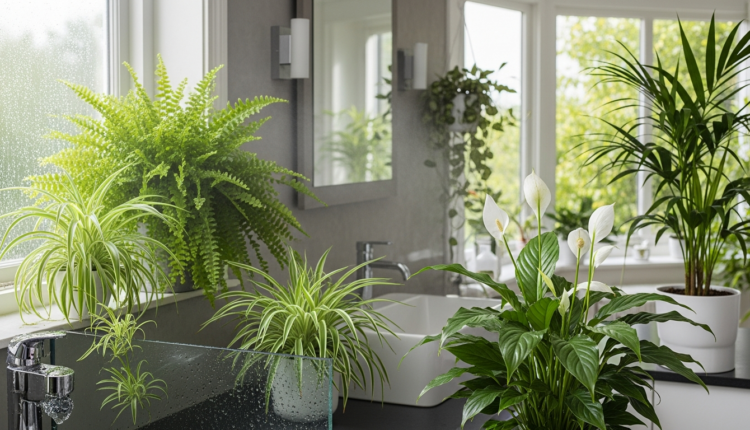
Houseplants are not only known for producing oxygen; some can also help absorb moisture in the surrounding air. Not all plants have this ability, but commonly recommended options include snake plants, aloe vera, Boston ferns, and pothos. These plants are also considered suitable for indoor placement and are relatively easy to maintain.
4. Maintain indoor temperature
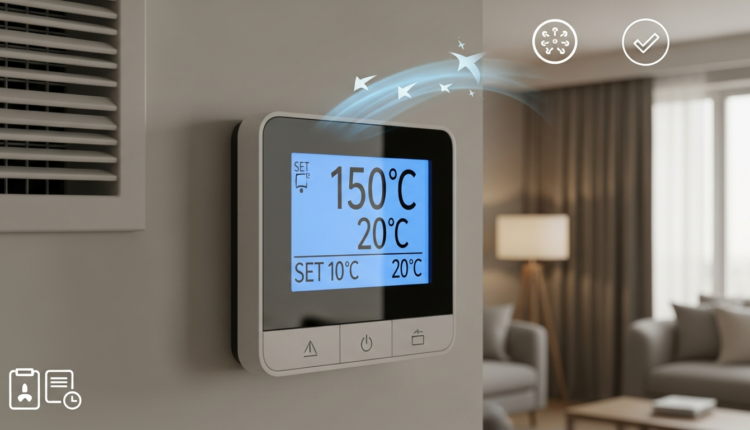
Paying attention to indoor temperature remains one of the most effective ways to manage humidity. The World Health Organization (WHO) suggests an ideal indoor temperature of around 18∘C to 20∘C, with relative humidity at 50% to 60%. If conditions exceed those levels, homeowners may need to take additional steps.
One practical approach is to open windows more regularly to keep air circulation steady. Using an electric fan can also help increase airflow, while a dehumidifier can reduce indoor moisture more directly.
A dehumidifier is typically used by turning the device on and letting it run for several hours. Users can then check the water collected in the tank at the bottom, which comes from condensation—the process of converting water vapor into liquid.
Indonesianpost.com | Detik