
Stevia vs Sugar: Key Advantages, Hidden Downsides, and Safety Notes
00:00
00:00


- Stevia, derived from Stevia rebaudiana, is a popular low- or zero-calorie sweetener that can be far sweeter than sugar.
- While it may help reduce calorie intake and lower blood-sugar spikes compared with table sugar, it offers no nutritional value and may cause aftertaste or bloating in some people.
- Experts generally consider stevia safe, but first-time users should test it in recipes, and people with health conditions should consult medical professionals before routine use.
In recent years, stevia has steadily overtaken other sugar substitutes, buoyed by claims that it is a healthier option thanks to its low-calorie profile. Stevia is a shrub-like plant known scientifically as Stevia rebaudiana. Its leaves have long been used as a natural sweetener by communities in South America.
Stevia leaves taste intensely sweet. Citing the Experimental and Clinical Science Journal, stevia-based sweeteners can be 250 to 300 times sweeter than regular sugar. In practical terms, just one teaspoon of stevia may deliver sweetness comparable to a cup of granulated sugar.
Given its high sweetness and low calorie count, it is not surprising that this natural alternative has gained widespread popularity. Still, stevia should be used thoughtfully because it also comes with potential downsides. To make more informed choices, it helps to understand both the advantages and the drawbacks. Read on.
The Benefits of Stevia

Below are some of stevia’s main advantages as a sugar substitute:
-
Derived from a natural source: Although it is sold in various forms, stevia originates from a natural ingredient — the stevia plant
-
Very high sweetness level: A small amount goes a long way, which can make it more economical and efficient to use
-
Low or zero calories: While it may not be a magic fix, it can help reduce calorie intake for those limiting calories but still wanting sweet flavors
-
Does not change a food’s nutritional value: Stevia is considered a non-nutritive sweetener, meaning it does not add nutritional content to foods or drinks, so the original nutrient composition remains essentially unchanged
-
A potentially better option for people with diabetes: Stevia may help keep blood sugar spikes lower than regular table sugar, though further research is still needed to confirm how effective it is

The drawbacks of Stevia
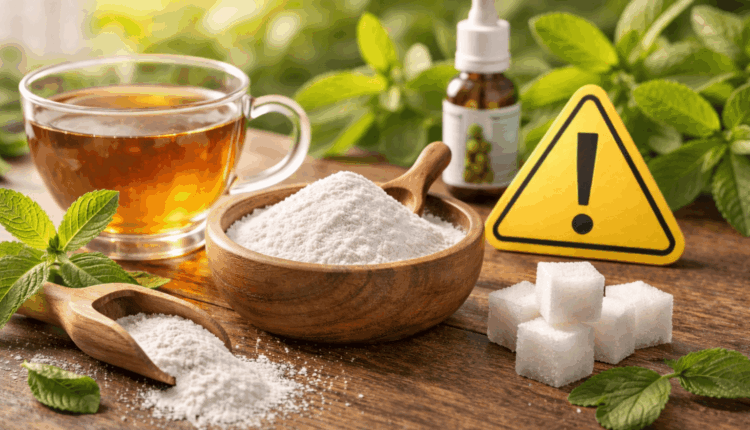
Meanwhile, here are some of the drawbacks associated with stevia use:
-
Adds no nutritional value: It provides sweetness, but no nutrients
-
May trigger “calorie compensation”: Because stevia is low-calorie, some people may feel they can eat more and end up consuming extra calories without realizing it
-
Can leave a bitter aftertaste: For those used to sugar, stevia’s flavor profile — including a lingering bitterness — may take time to get used to
-
Side effects in some cases: Some people may experience nausea, fullness, or bloating. According to WebMD, stevia may affect beneficial gut bacteria and contribute to bloating in certain individuals
-
More expensive: Compared with regular granulated sugar, stevia products tend to cost more
So, Is Stevia Safe as an Alternative to Sugar?
In general, stevia is considered safe as a natural sweetener alternative or a companion to table sugar. For first-time users, the sweetness can feel noticeably different from regular sugar. Before making it your go-to substitute, try it in a few dishes and drinks first, then decide whether the taste and final texture match your preferences.
If you have a specific medical history or underlying health conditions, it is best to consult a healthcare professional before using stevia routinely, as research on the long-term effects of stevia use remains limited.
Indonesianpost.com | Beautynesia
