
Gunung Puntang: The Legend Behind West Java’s “Life-Grip” Mountain
00:00
00:00


- Gunung Puntang in West Java is remembered through a Sundanese legend tied to Prabu Siliwangi and the Pajajaran era, centered on a queen’s struggle during childbirth.
- The tale explains the name “puntang” as a life-saving grip, symbolized by a rock that helped the queen endure labor during a spiritual journey in the mountains.
- Today, visitors come for hiking and respite, while the mountain’s story continues to function as a cultural metaphor for perseverance and quiet strength.
Long before phone notifications set the rhythm of everyday life, the land of Pasundan pulsed with legend. Forests stood guard over secrets, rivers carried whispers from the past, and mountains rose high—holding the sky’s quiet, towering memory.
Among those mountain ranges stands one whose name often draws a smile and curiosity. Gunung Puntang may sound light, but locals say it was born from a tense, deeply human moment. The mountain is not merely a pile of rock and soil; it is remembered as a witness to screams, prayers, and love—held faithfully by nature.
In the era of the Pajajaran Kingdom, Prabu Siliwangi was known as a wise ruler loved by his people. He led with skill, and—stories say—held a heart as wide as golden rice fields. The Pajajaran palace was then the center of Sundanese life, animated by courage and governance.
Yet behind the throne, Prabu Siliwangi was also a husband anxious for his child’s birth. Night after night, the palace wind seemed to carry his worry, as if nature itself awaited a new fate. The moon hung in silence, watching time weave the threads of destiny.
That long-awaited day arrived in no easy way. The queen felt the first signs of labor as the royal entourage undertook a spiritual journey into the mountains. Rain fell hard and the uphill path turned steep, as though the landscape itself tested their resolve.
The mountains appeared to press close together, narrowing the route like giant shoulders meeting. The queen endured waves of pain—like surf striking rock without pause. Each breath felt heavy, and the earth seemed to throb in step with her heartbeat.
Prabu Siliwangi panicked, but stayed upright like an old tree refusing to fall. He held his wife’s hand, trying to pass strength through a grip filled with hope. At the peak of the pain, the queen needed something to hold onto.
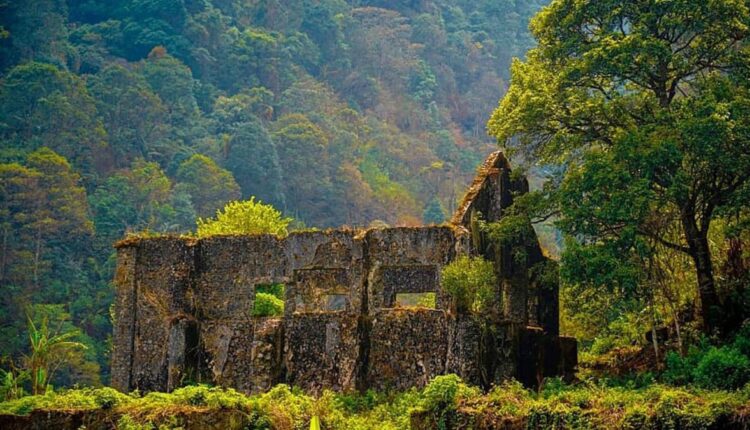
Her hand searched the air, looking for an anchor so she would not sink into the agony. In Sundanese, that grip is called “puntang.” A simple word suddenly became the most important one in their world.
The story goes that nature answered. A large rock appeared—solid, still, and ready. It stood like an old friend, prepared to support without questions or judgment.
The queen clutched the rock with all her strength. Her fingers pressed into its cold surface, which felt warmed by the hope of life. The mountain seemed to hold its breath; trees bowed, and the wind stopped running.
When the final cry broke, the baby entered the world. The newborn’s wail cut through the silence and echoed along the slopes. Nature, in this telling, seemed to cheer for a life delivered through struggle.
Prabu Siliwangi wept—not out of weakness, but because his heart was full. He looked at his exhausted, smiling wife and the rock that had witnessed her fight. In that moment, he understood what strength could mean.

Strength is not always a sword or a great army. Sometimes it is a simple grip that saves a life. The king named the place with the word that stayed in his memory: Puntang.
The name was spoken softly, but carried deep meaning. From then on, the area became known as Gunung Puntang. The name spread by word of mouth, growing into a living story across Sundanese land.
Many locals believe the mountain holds an energy of steadfastness. In their view, it was born from a moment when humans and nature strengthened each other. Gunung Puntang does not boast about its height; it stands calm and unassuming.
The mist that wraps its peak is often described as a blanket of memory. The story of that life-saving grip is guarded so it does not rot with time. The mountain, as the legend suggests, made a promise to remember.

For Sundanese teenagers in earlier times, Gunung Puntang served as a teacher without words. They climbed while listening to the tale of the queen’s courage. Each step felt like a conversation with the past.
Stones along the trail seemed to whisper about the meaning of a “hold.” Gunung Puntang became a metaphor for life—about steep climbs, patience, and humility. The summit is not the final goal, but a space for learning.
Time passed, the kingdom fell, and Prabu Siliwangi became legend. But Gunung Puntang remained standing, refusing to be erased by changing eras. It watched generations shift from bare feet to modern shoes.
Every visitor arrives carrying a personal story. The mountain offers something similar each time: quiet. The wind blows like an unseen hand, easing tired shoulders.
Gunung Puntang has become a metonym for hope. It represents small strength—often underestimated—yet sometimes the most real kind of rescue. A simple grip can be the most decisive one.
Today, young people come for photos, camping, or to escape the noise of the city. Without realizing it, they repeat an old ritual. They lean, laugh, share stories, and look for emotional footing.
Gunung Puntang smiles in silence. Its function has never changed—only the form of the “grip” has. Nature never goes out of date; humans are the ones who often forget how to listen.
The Gunung Puntang legend is not about thunderous miracles. It is a story of a small moment that shaped a life’s direction—about a brave woman, a loving king, and nature that stayed faithful as witness.
Indonesianpost.com | GNFI
