
Mark-Up Scandal Hits Free School Meal Program, Three Officials Detained
00:00
00:00


- Indonesian prosecutors have uncovered alleged procurement mark-ups in the Free Nutritious Meals program, implicating three former senior officials of the National Nutrition Agency (BGN).
- The Attorney General’s Office alleges that inflated contracts for electric vehicles, shoes, and televisions were part of a broader corruption scheme involving abuse of authority and personal enrichment.
- Investigators are continuing to calculate state losses as evidence points to a nationwide network of affiliated foundations used to channel illicit profits.
Jakarta – Indonesia’s Attorney General’s Office has revealed that the corruption case involving former leaders of the National Nutrition Agency (BGN) extends beyond funding irregularities in the Free Nutritious Meals (MBG) program. Investigators have identified alleged budget inflation in several procurement projects tied to the initiative, which has drawn widespread public attention.
Director of Investigations at the Office of the Attorney General for Special Crimes (Jampidsus), Syarief Sulaeman Nahdi, stated that the suspects—Dadang Hindayana, Lodewijk Pusung, and Sonny Sanjaya—are accused not only of misusing program funds but also of inflating procurement costs for goods, infrastructure, and services within the agency.
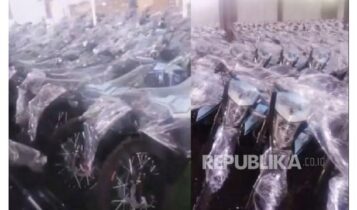
Among the irregularities uncovered is the alleged mark-up of procurement for 21,801 electric vehicles, estimated at around Rp 1 trillion (approximately US$61 million). Investigators also flagged inflated budgets for 32,000 pairs of shoes and the purchase of 54,000 units of 75-inch televisions. Authorities said the exact amount of state losses is still being calculated.
According to prosecutors, the three suspects unlawfully intervened in procurement processes by exerting influence over officials responsible for contract approvals, known as commitment-making officers (PPK). As a result, procurement planning reportedly deviated from actual needs, creating room for inflated pricing.
The Attorney General’s Office has formally named the trio as suspects following a full day of questioning on Wednesday, June 3. They were detained shortly after being apprehended earlier that morning at their respective residences.
“After questioning them as witnesses and based on sufficient evidence, investigators have named DH, LP, and SS as suspects in alleged corruption related to the governance of the Free Nutritious Meals program at BGN for the 2025–2026 period,” Syarief said at the Jampidsus headquarters in Jakarta.
Prior to their designation as suspects, the three officials had already been dismissed from their positions by President Prabowo Subianto on Tuesday, June 2.
Dadang served as head of BGN from 2024 to 2026 and was widely regarded as a trusted academic figure within the administration. Lodewijk, a retired Indonesian Military (TNI) lieutenant general, held the position of deputy head overseeing organizational development and institutional support. Sonny, a former National Police (Polri) inspector general, was responsible for operational affairs and nutrition fulfillment.

Investigators allege that the corruption scheme was driven by personal enrichment and systematic inflation of procurement costs tied to the MBG program, a flagship government initiative aimed at improving children’s nutrition nationwide.
The case stems from the government’s decision to designate the MBG program as a national priority. To support its implementation, the state allocated Rp 85.27 trillion in 2025, which surged to Rp 268 trillion in the 2026 fiscal year.
Under the program, BGN appointed foundations at schools to serve as partners responsible for establishing Nutritional Fulfillment Service Units (SPPG), or kitchens tasked with preparing and distributing free nutritious meals.
However, prosecutors allege that the suspects created and controlled their own affiliated foundations, which were then appointed as SPPG partners. These entities reportedly operated as vehicles for illicit gain, receiving preferential treatment and bypassing proper qualification standards.
Investigators also uncovered evidence suggesting that the suspects collected billions of rupiah from other parties seeking approval to participate in SPPG projects. The affiliated foundations, which are spread across various regions in Indonesia, allegedly generated billions of rupiah in daily revenue.
“These foundations were used as instruments of crime and were linked to officials and employees within BGN who did not meet the requirements to serve as partners,” Syarief said. “The suspects also manipulated the verification process within the BGN partner portal by granting special attention.”
Authorities are continuing to trace the financial flows and calculate the total amount of illicit funds allegedly obtained by the suspects.
Indonesianpost.com | Republika
