
Indonesia Economic Summit 2026: Call for Ethical Global Economy Amid Geopolitical Shifts
00:00
00:00


- ICCD President Abdullah Saleh Kamel opened the Indonesia Economic Summit 2026 by criticizing the profit-obsessed global economy and calling for an ethical overhaul led by Global South businesses, citing Saudi Vision 2030 as a blueprint.
- At Indonesia Economic Summit 2026, Kamel warned of geopolitical fragmentation eroding justice and urged the Islamic world to revive value-based economics through private sector reforms and partnerships.
- Highlighting regulatory failures and moral voids, Kamel at the Indonesia Economic Summit 2026 pushed for rights-focused economic models, praising Saudi reforms as a path to sustainable, inclusive growth.
The world stands at a pivotal economic and moral crossroads, with fast-paced geopolitical and economic changes exposing cracks in the current global order, said Abdullah Saleh Kamel, president of the Islamic Chamber of Commerce and Development (ICCD) and chairperson of the Federation of Saudi Chambers of Commerce board.
Speaking at the opening session of the Indonesia Economic Summit 2026, Kamel warned that rising fragmentation in the international system and the rise of power-driven interests have eroded justice, development, and human values. He called for a more balanced, inclusive economic model to address these gaps.
Kamel argued that today’s global economic framework falls short on delivering sustainable growth or fair access to opportunities. He pinned the blame on a widening gap between economic policies and ethical principles.
In major international forums, he said, the dominant economic discourse no longer breeds confidence. Instead, it mirrors a grim reality: crumbling regulations, fading justice, and a fixation on profits and dominance that sidelines humanity, society, and environmental sustainability.
These issues, Kamel stressed, place a heavy burden on business leaders from the Global South and developing economies. They must step up to craft a new framework rooted in rights and responsibilities, not just short-term gains.
No sustainable economy can thrive without a solid moral backbone, he insisted. Investments, trade, and finance should serve societal good. Ignoring values, he added, has fueled distrust, divided communities, and worsened environmental damage.

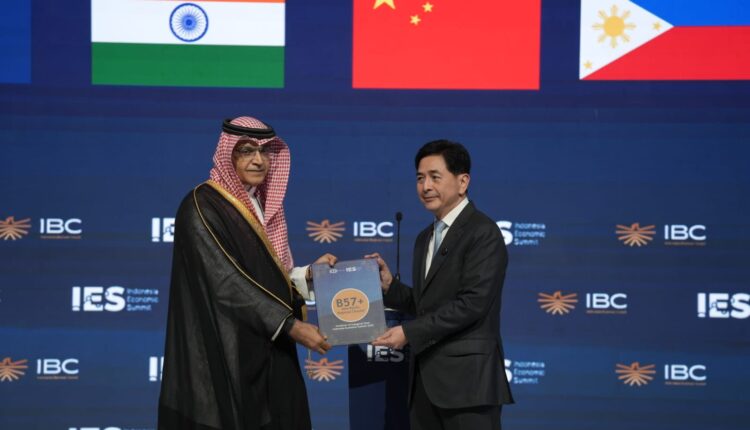
Kamel highlighted the Islamic world’s rich heritage of ethical, value-driven economics, which once fueled resilient, people-centered models. Today, he said, it has a chance to step back into that role and help forge a fairer global future.
The private sector, he noted, can spearhead development through smart public-private partnerships—but only with political will, supportive laws, and strong institutions to turn visions into results.
He praised reforms in countries like Saudi Arabia, where Vision 2030 stands out as a roadmap for redefining state-economy ties. The plan has boosted the private sector via regulatory overhauls, massive infrastructure projects, and rapid digital shifts.
Saudi Arabia’s push for economic openness and modern institutions, Kamel said, mirrors a worldwide trend: empowering businesses to drive growth, jobs, and resilience.
The Indonesia Economic Summit 2026 comes at a make-or-break moment for the global economy. It underscores the need for forums uniting policymakers, business heads, and researchers to rethink growth strategies, boost cross-border ties, sync policies with markets, and elevate the private sector in development.
Indonesianpost.com
