
Global Health Alert: Three Viruses to Watch Out for in 2026
00:00
00:00


- Global experts warn that “Disease X” could emerge from new viral threats in 2026, including avian flu, Mpox, and Oropouche virus. Declining measles immunization also risks the return of preventable outbreaks worldwide.
- Infectious disease experts caution that 2026 may bring new global health threats under the banner of “Disease X.” Among the viruses drawing scrutiny are avian influenza H5, Mpox’s new variant, and the emerging Oropouche virus. Low vaccination rates have also sparked a resurgence of preventable diseases such as measles.
- As 2026 unfolds, scientists warn that global warming and increased travel may accelerate viral spread, reviving fears of a potential “Disease X.” The World Health Organization lists avian flu H5, a new Mpox variant, and Oropouche “Sloth Fever” as key threats due to their mutation potential and lack of specific treatments. Meanwhile, declining global immunization rates have triggered the return of measles, reminding countries that preparedness and vaccine development remain crucial lines of defense.
Although the world has moved beyond the worst of the COVID-19 pandemic, the term “Disease X” has resurfaced as a timely reminder for global vigilance. Infectious disease experts warn that several viruses circulating today have the potential to spread widely and unpredictably throughout 2026.
Patrick Jackson, an infectious disease specialist at the University of Virginia, said that the combination of global warming and increased human mobility is accelerating encounters between humans and new viral strains.
Citing The Conversation, experts highlight three viruses drawing global concern this year.
1. Influenza A (Avian Flu H5)
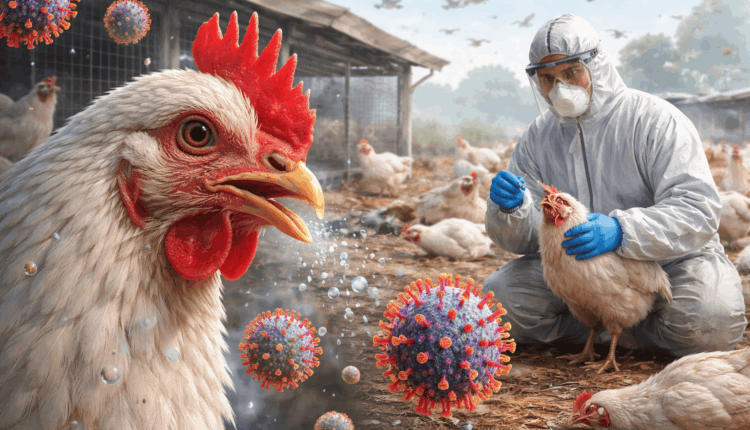
The H5 strain of avian influenza has become a growing concern after being discovered in dairy cattle in the United States and showing signs of human infection. By early 2026, health authorities had reported several cases among farm workers, including fatalities.
Although the current risk to the general public remains low due to the absence of human-to-human transmission, scientists fear the virus could mutate.
“The ability of this virus to infect multiple species is a hallmark of a dangerous pathogen that could trigger a pandemic,” said epidemiologist Derek Cummings.
2. New Variant of Mpox


Mpox continues to pose a real threat, particularly with the emergence of the faster-spreading Clade Ib variant. After spreading in Africa, this strain was detected in the United States and Europe by the end of 2025.
Mpox causes fever and painful skin rashes. Although vaccines exist, there is still no specific treatment that can eliminate the virus once it enters the body. Experts predict more international cases throughout 2026 as global travel increases.
3. Oropouche Virus (Sloth Fever)

Though relatively unknown, the Oropouche virus—often referred to as “Sloth Fever”—is now spreading beyond the Amazon region. Transmitted through the bite of tiny midges, the virus has already caused the first recorded death in Brazil and begun appearing in parts of Europe.
Disturbingly, Oropouche is suspected to be transmissible from mother to fetus and has been linked to microcephaly (a condition where babies are born with smaller heads). With no vaccine or specific treatment available, the World Health Organization (WHO) has listed Oropouche as a research priority.
Old Diseases Making a Comeback
Alongside these emerging threats, experts are also warning about the resurgence of preventable diseases, particularly measles. Due to declining vaccination rates in various countries, measles has re-emerged, causing some nations to lose their measles-free status this year.
“Vigilance against both new and re-emerging viruses—and continuous vaccine development—remains essential to keep the world safe in 2026,” Jackson concluded.
Indonesianpost.com | Detik
