
Indonesia Eyes Bigger Diplomatic and Humanitarian Role in Syria’s Reconstruction
00:00
00:00


- Indonesia is exploring a larger humanitarian, educational, and diplomatic role in Syria as the country moves through recovery and reconstruction.
- Talks focused in part on support for Palestinian refugees in Syria, with officials citing an estimated 435,000 refugees currently in the country.
- Participants also discussed long-term cooperation, including development projects and a proposed Indonesian Islamic center in Syria.
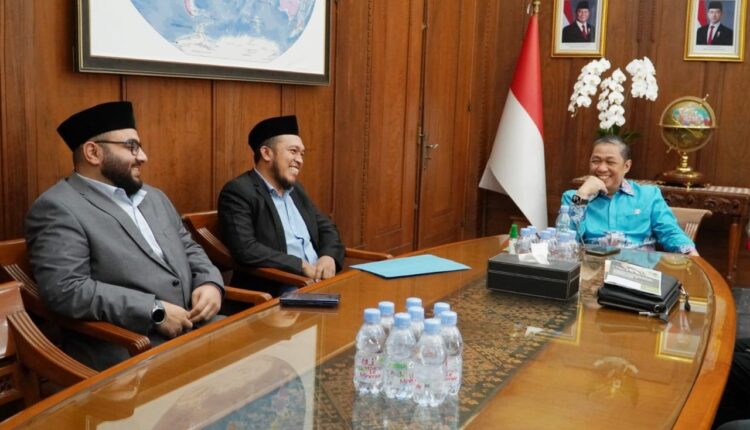
Jakarta, Indonesianpost.com — Indonesian Deputy Foreign Minister Anis Matta on Monday, July 27, 2026, received a delegation of prominent humanitarian activists and media figures focused on Syria, in a meeting dedicated to exploring ways to expand humanitarian, educational, and diplomatic cooperation between Jakarta and Damascus.
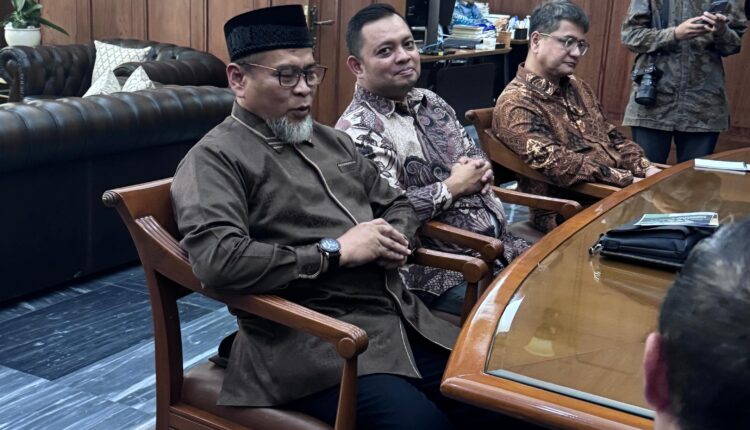
The delegation was led by Buya Dzul Kifli Muhammad Ali, general supervisor of the Indonesian-Syrian Friendship Foundation, and the foundation’s chairman, Dr. Nidal Kamal. Also attending were Indonesia Today Editor-in-Chief Muhammad Anas and Indonesian journalist Vizaro.
The meeting examined mechanisms to intensify humanitarian assistance for Palestinian refugees living in Syria, while also discussing the diplomatic and relief role Indonesia could play during the country’s recovery and reconstruction phase.
During the talks, officials from the Indonesian-Syrian Friendship Foundation briefed the deputy minister on a package of initiatives the organization has recently carried out on Syrian soil, in close coordination with local and Indonesian partners.
Those efforts included qurbani distribution projects, the delivery of relief and food packages, support for educational programs, and assistance for students in Syria. The foundation also held a series of meetings with Syrian government officials, religious scholars, and representatives of community organizations.
The delegation also reviewed the findings of its field visits across several Syrian regions, which were aimed at identifying urgent humanitarian and educational needs on the ground in preparation for projects that would benefit both Syrians and Palestinian refugees.
One of the proposals that featured prominently in the discussion was the establishment of an Indonesian Islamic center in Syria. The center would serve as a platform for academic, cultural, and outreach cooperation, help introduce Indonesia’s Islamic experience to Syrian society, and host students and researchers through joint training programs.
For his part, Indonesian-Syrian Friendship Foundation chairman Dr. Nidal Kamal said the organization’s main goals center on activating public diplomacy and building strong bridges of communication between the Indonesian people and both the Syrian and Palestinian peoples.

Kamal said public diplomacy is a key complement to formal state relations and can take shape through cultural and relief engagements, exchanges of expertise and delegations, and stronger ties between academic and community elites in both countries.
He added that the foundation is also working to present a clear picture of Indonesia’s support for major issues affecting the Muslim world, foremost among them the Palestinian cause, while at the same time raising awareness inside Indonesia about Syria’s civilizational depth and the scale of the challenges facing its people and the refugees living there.
Deputy Foreign Minister Anis Matta said the focus of humanitarian action at this stage is directed toward the hundreds of thousands of Palestinian refugees currently on Syrian territory.
He added, “Syria is currently hosting around 435,000 Palestinian refugees.”
Matta pointed to the complexity of the conditions surrounding the lives of those refugees amid the harsh fallout of the prolonged Syrian crisis and the layered security, economic, and social challenges it has produced.
Even so, the Indonesian official said Syria’s recovery path across the security, political, and economic fronts has opened an important window for Indonesian diplomacy, giving Jakarta an opportunity to strengthen its footprint in the Muslim world.
In that context, he said, “The recovery and reconstruction phase in Damascus represents a timely opportunity to enable Indonesia to play a pivotal and broader role in its Islamic sphere.”
Participants in the meeting agreed on the need for sustained coordination between the Foreign Ministry and civil society and media institutions in order to launch development projects in Syria that go beyond emergency relief to include education, capacity building, reconstruction, and long-term partnerships.
The initiative forms part of the Indonesian-Syrian Friendship Foundation’s broader efforts to expand bilateral cooperation and increase the engagement of Indonesian institutions in humanitarian and development projects, in a way that helps reinforce the bonds of friendship between the two peoples.
INDONESIAN POST | INDONESIA ALYOUM
